English
 Suomi

Written by Strateal. Health information summarizes the sources below; it has not had an independent clinical review.
When external sounds disappear, tinnitus has less to compete with. Attention can settle on the ringing, making it feel more prominent. A gentle background may make the room more comfortable, but new symptoms need assessment.
The difference between noticing and measuring
A quiet room gives you fewer competing sounds and activities. Ringing that sat in the background at work may become the thing you notice at home. Your perception of prominence is real, but it does not measure whether the tinnitus signal or your hearing has changed.
The NHS tinnitus advice suggests soft sounds as a way to draw attention away from tinnitus. It also recommends assessment when tinnitus is regular, worsening or troublesome.
Give your attention somewhere comfortable to rest
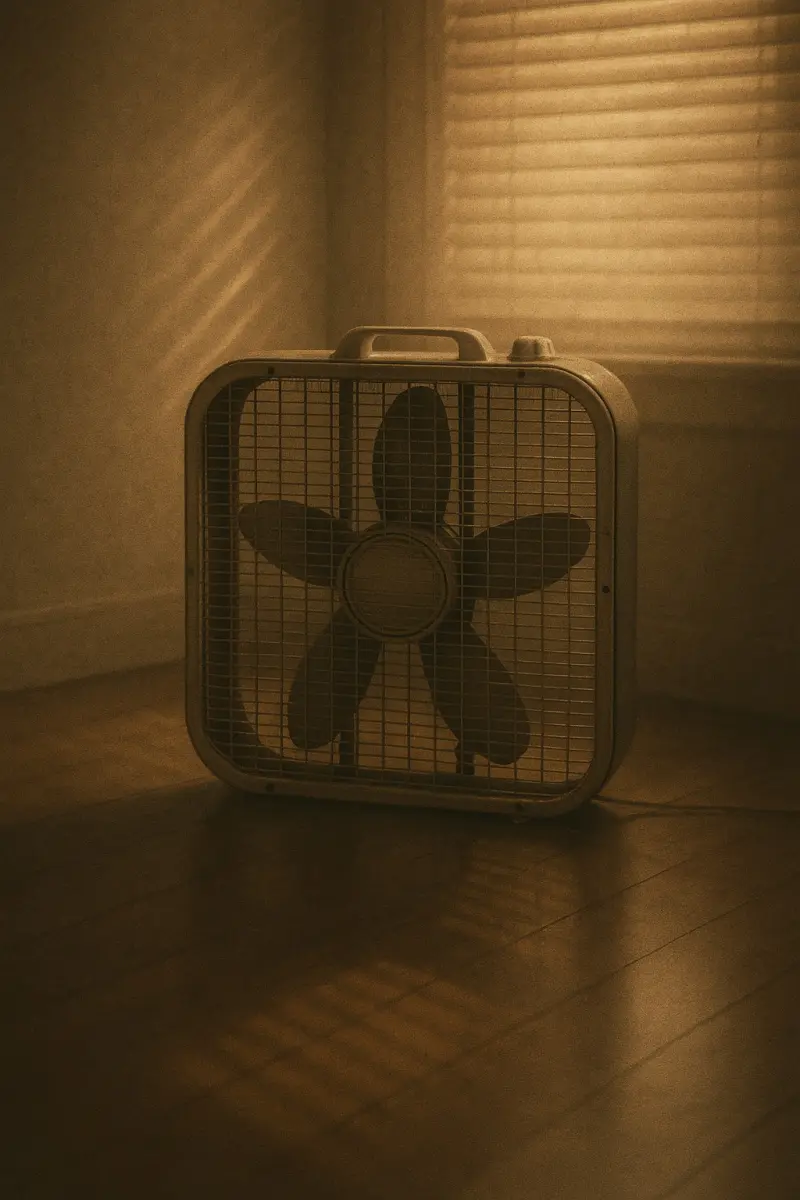
Try a low-level fan, gentle rain or quiet music while reading or doing something familiar. The activity can matter as much as the sound. Avoid repeatedly switching sounds to test whether the tinnitus is still audible.
There is no need to avoid every quiet moment. Choose the environment you find comfortable and stop listening if an added sound irritates you.
If silence is hardest at bedtime
A regular wind-down period may reduce how much time you spend checking the ringing. See tinnitus and sleep for background sounds and help with persistent insomnia.
Stress and tinnitus explains why tension can also change how difficult the sound feels.
When to seek medical help
Tinnitus can have different underlying causes, including conditions that can be treated. Consult a general physician and/or an ENT (ear, nose and throat) specialist for assessment and diagnosis before assuming it is permanent or incurable, or related to sensorineural hearing loss. Hush cannot determine the cause of tinnitus and is not a substitute for medical advice or care.
Seek immediate medical care for tinnitus with sudden hearing loss, facial weakness or severe vertigo, or following a head injury. Arrange an urgent medical assessment if tinnitus beats in time with your pulse. Do not delay assessment while trying background sounds.
Explore background sounds in Hush
Hush lets you choose background sounds, save favourites and set a sleep timer with a fade. Try the sound library to compare the options, or learn about Hush. Hush is still in development; its product page has a link for launch news.
Hush supports relaxation and personal listening preferences. It does not diagnose, treat or cure tinnitus, and research on sound therapy does not establish that Hush is effective.